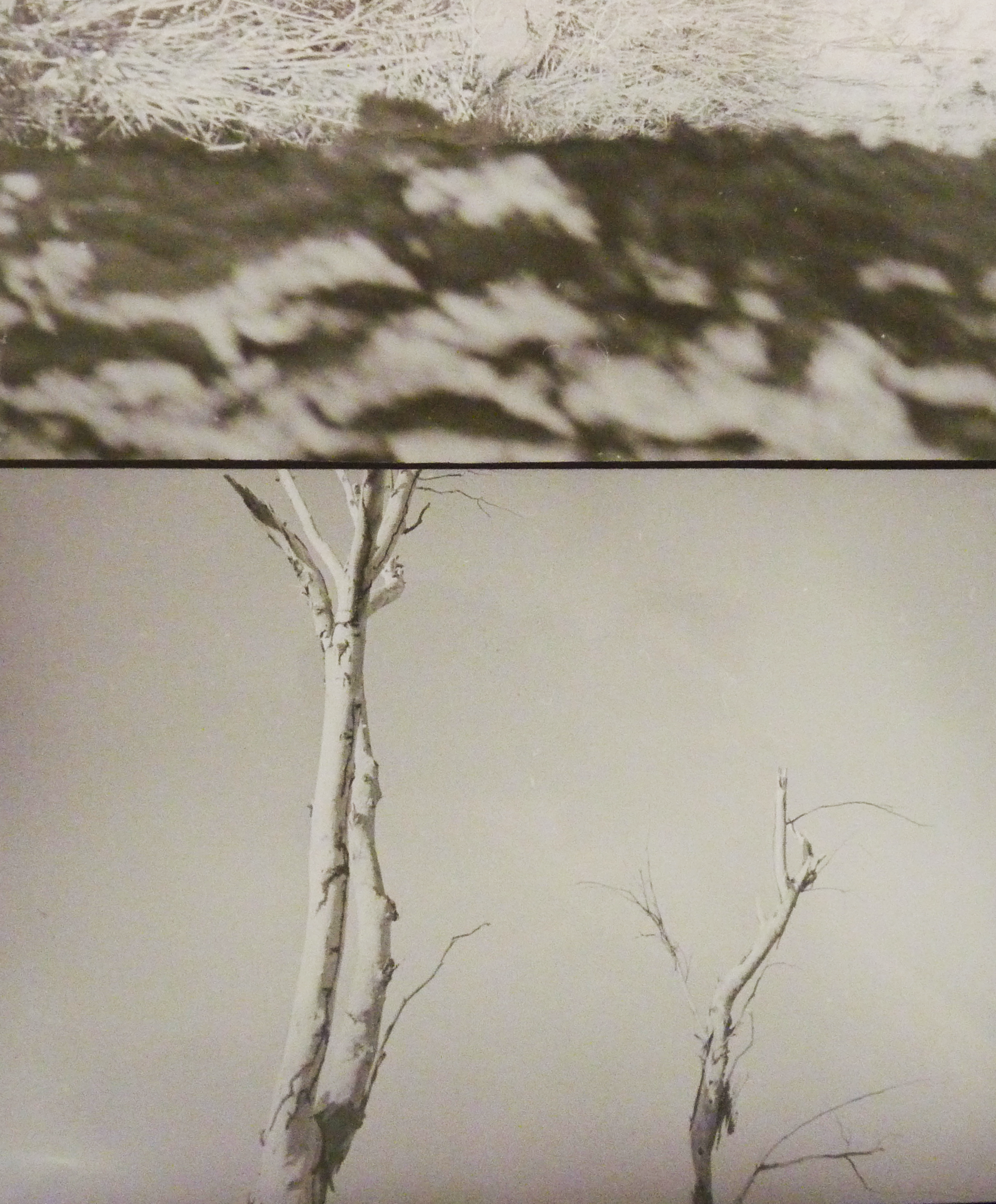
Experimental eco-developer photography exhibition coming to The Roastery November 6th!
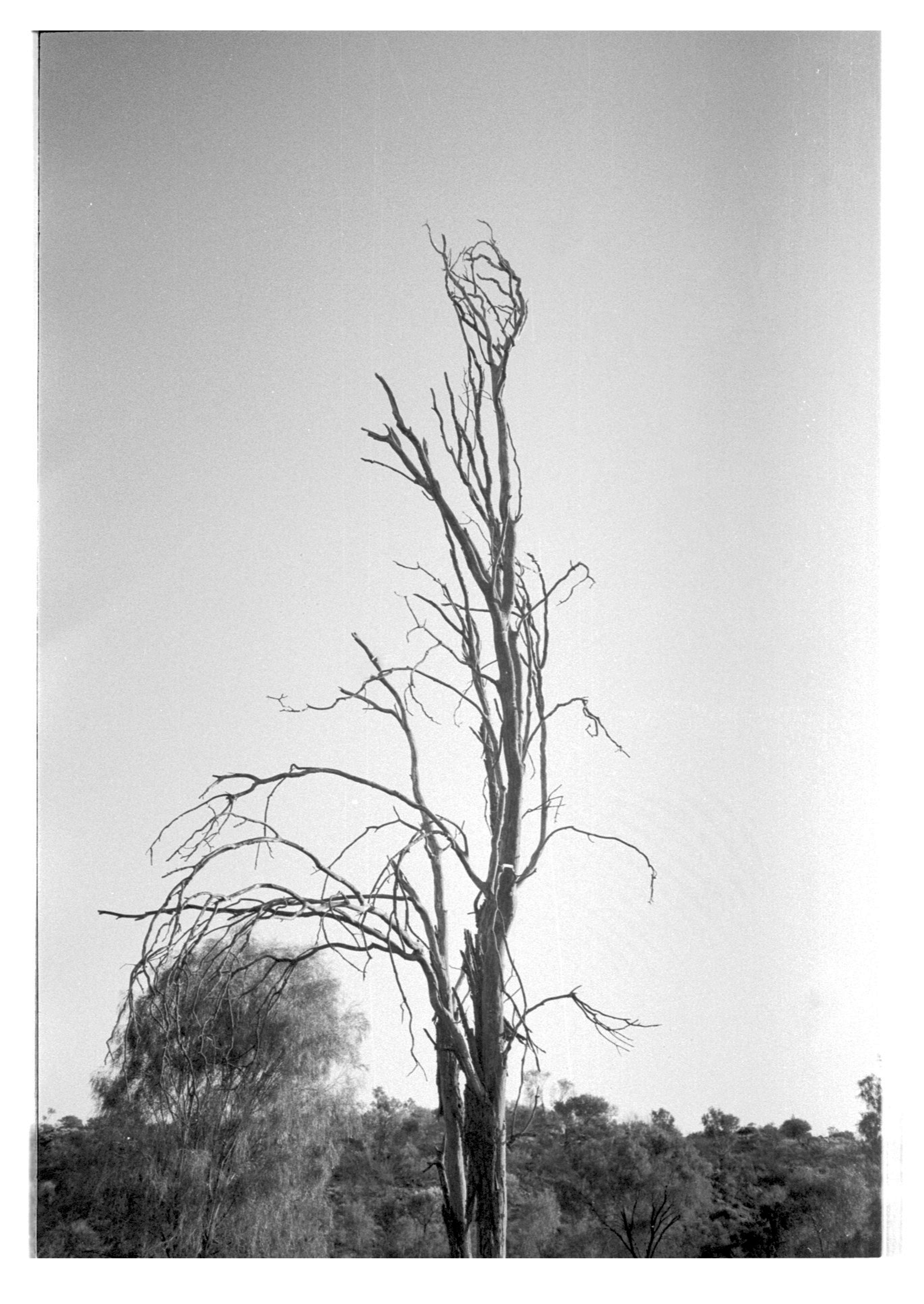
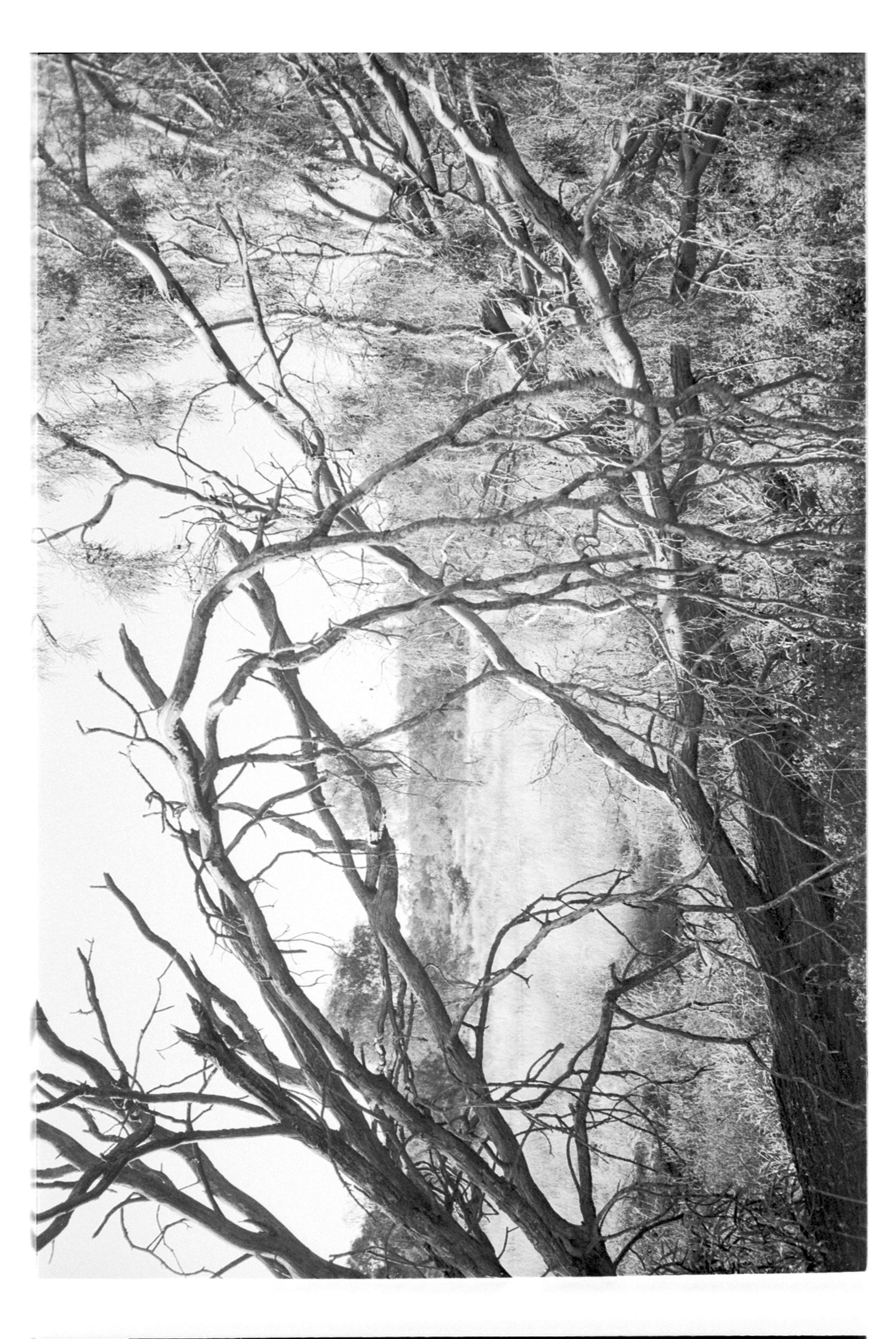
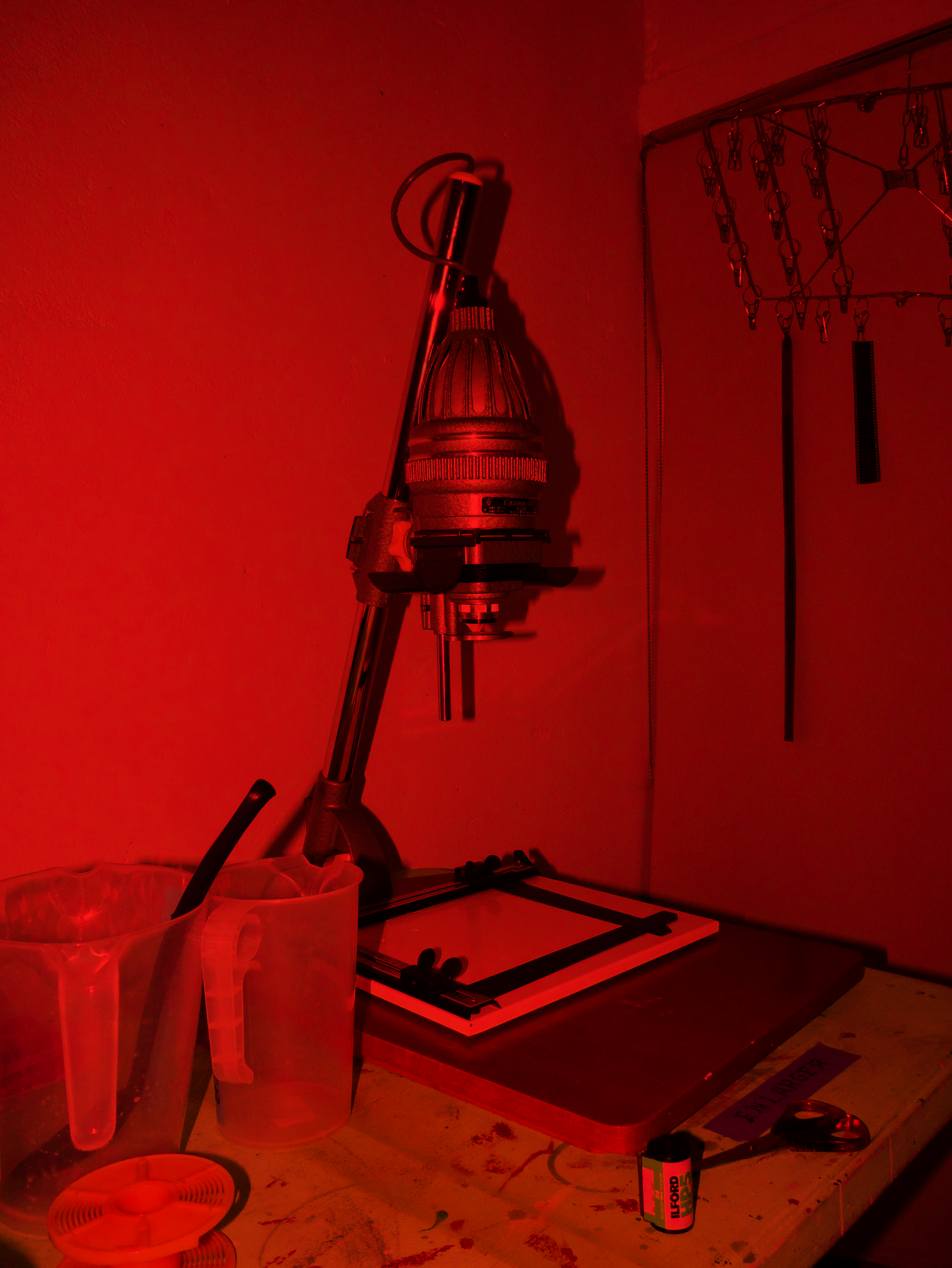
For the Stardust residency this year, I set up a DIY darkroom in the Watch This Space pantry, furnished with old equipment that I collected in the Adelaide Hills. I ran three workshops where we practiced developing a roll of 35mm film using instant coffee, vitamin C, and washing soda, paired with an eco-fixer.
During the darkroom workshops, we began with a question:
What is an image that has stayed in your memory, or an image that you would like to make?
(The image could be real or imagined: a photograph that you found, or a memory from a dream.)
The images that were spoken of had disintegrated in floods or fires,
images of people on distant shorelines,
a hand holding a photo that dissolved into ash,
and a dream of a long corridor leading to this same darkroom.
- - - - - - - -
The Watch This Space darkroom is intended to be low in toxicity, using everyday household items to develop images. Traditional analogue film processing relies on single-use chemical developers that must be disposed of as hazardous waste and are toxic to the skin and respiratory system, making analogue-based photography a hazardous medium for both bodies and the environment. However, it is easy to make a developer that can be safely poured down the drain instead of taken to a hazardous waste facility.
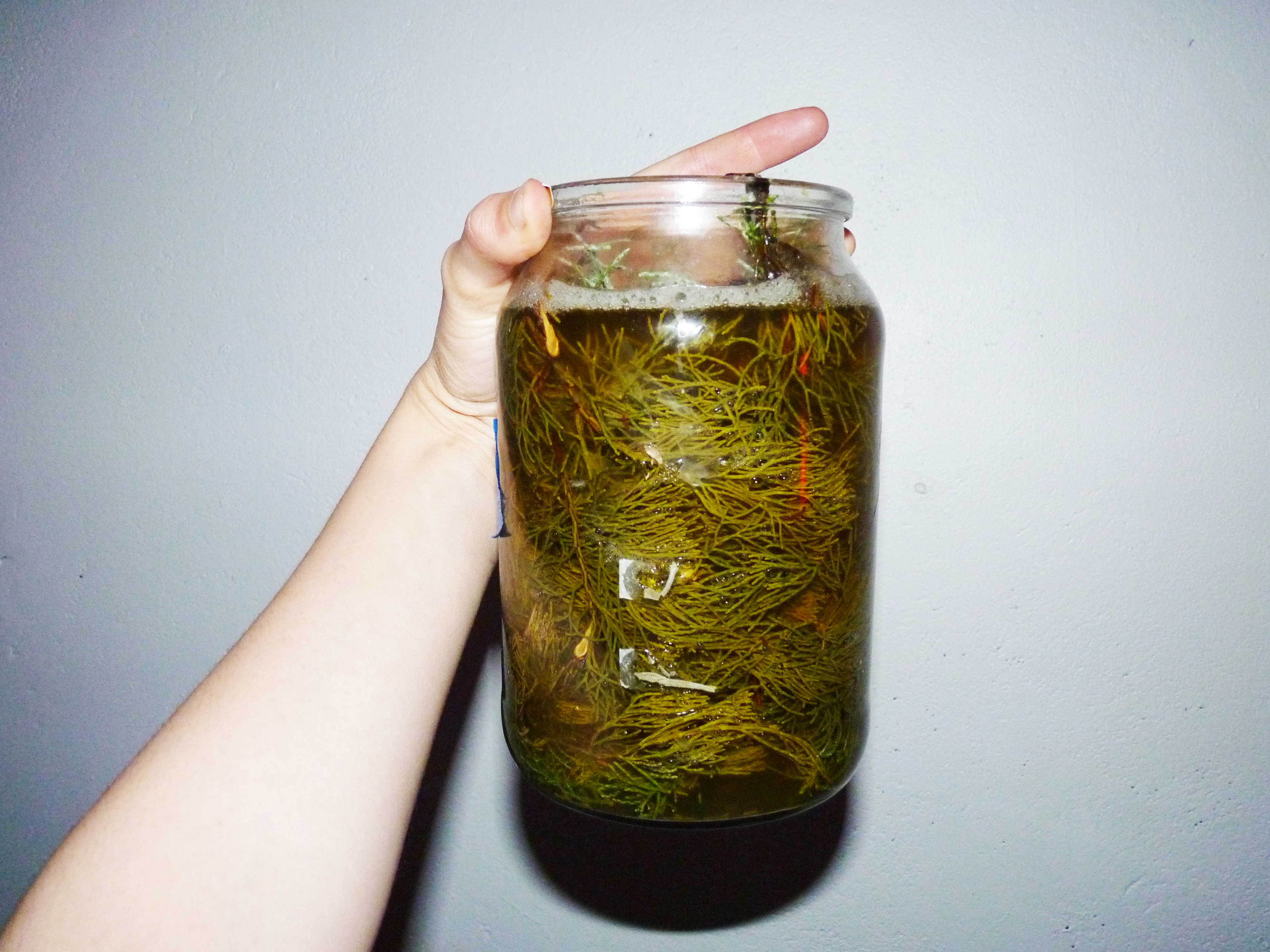
Homemade eco photo developer requires plant matter with a strong smell or taste. I collected local White Cypress Pine (Irlweke) and Rock Fuschia (Arrethe) from Ilparpa to develop photos.
Here is a recipe in progress for the Irlweke White Cypress Pine photo developer:
Ingredients:
- Water
- Irlweke (White Cypress Pine) needles, or other foraged plant matter that is pungent in taste or smell
- 50 g sodium carbonate (washing soda)
- 10 g ascorbic acid (vitamin C powder)
(Since botanical phenols vary by season and batch strength, I suggest using a test strip or clip test before developing a whole roll of film.)
Instructions:
- Soak pine needles or plant matter in water overnight.
- Boil pine needles in 300 ml water for approx. 10 minutes, then allow to cool.
- Add sodium carbonate and ascorbic acid, then mix well.
- Chill to 20°C.
- Develop 400 ISO film for 13 to 15 minutes, with continuous gentle inversions for the first 60 seconds, then 3 to 4 inversions every 60 seconds.
Finally, stay tuned - as darkroom workshop participants will showcase our experimental works in a group exhibition taking place on November 6th !!!