Ngai ikanhi yakapiti puthurr Arrernte muu tjaa
(I acknowledge and respect Arrernte Country).
Ngai ikanhi yakapiti puthurr tjitaama ngathu Arrernte yurru-mia marapai-mia tjayanha-thi
(I acknowledge and respect Arrernte men and women from long ago).
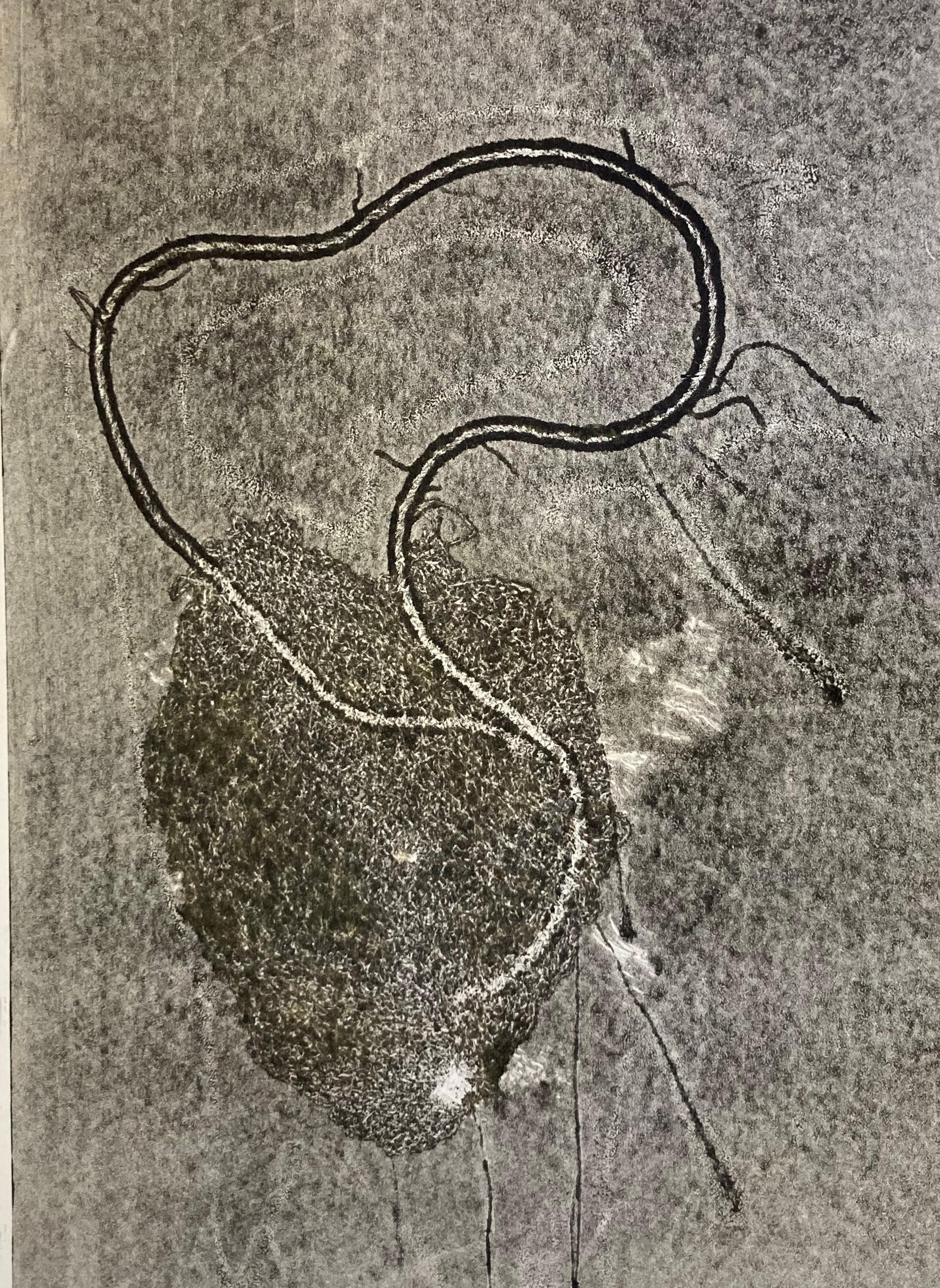
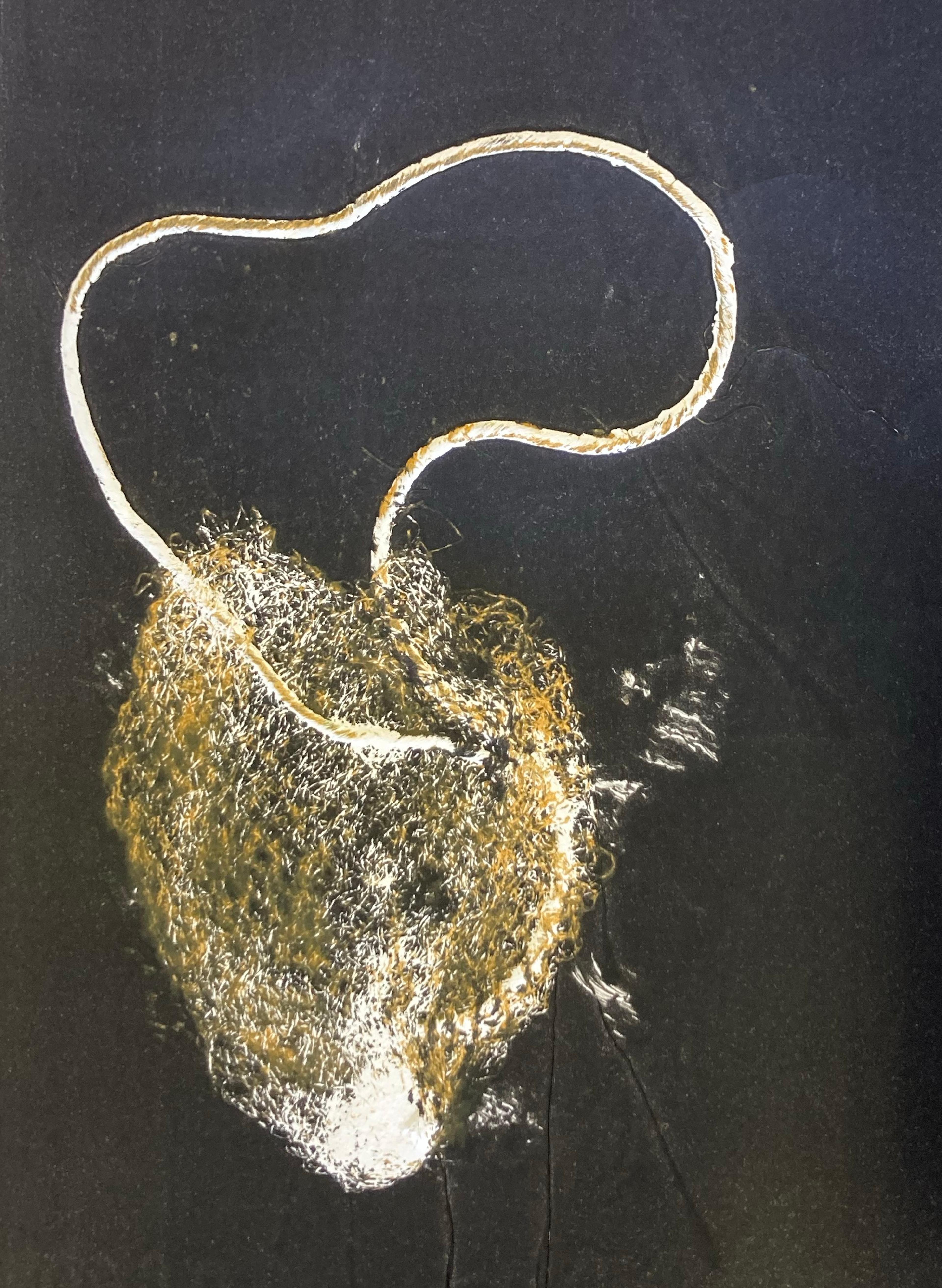
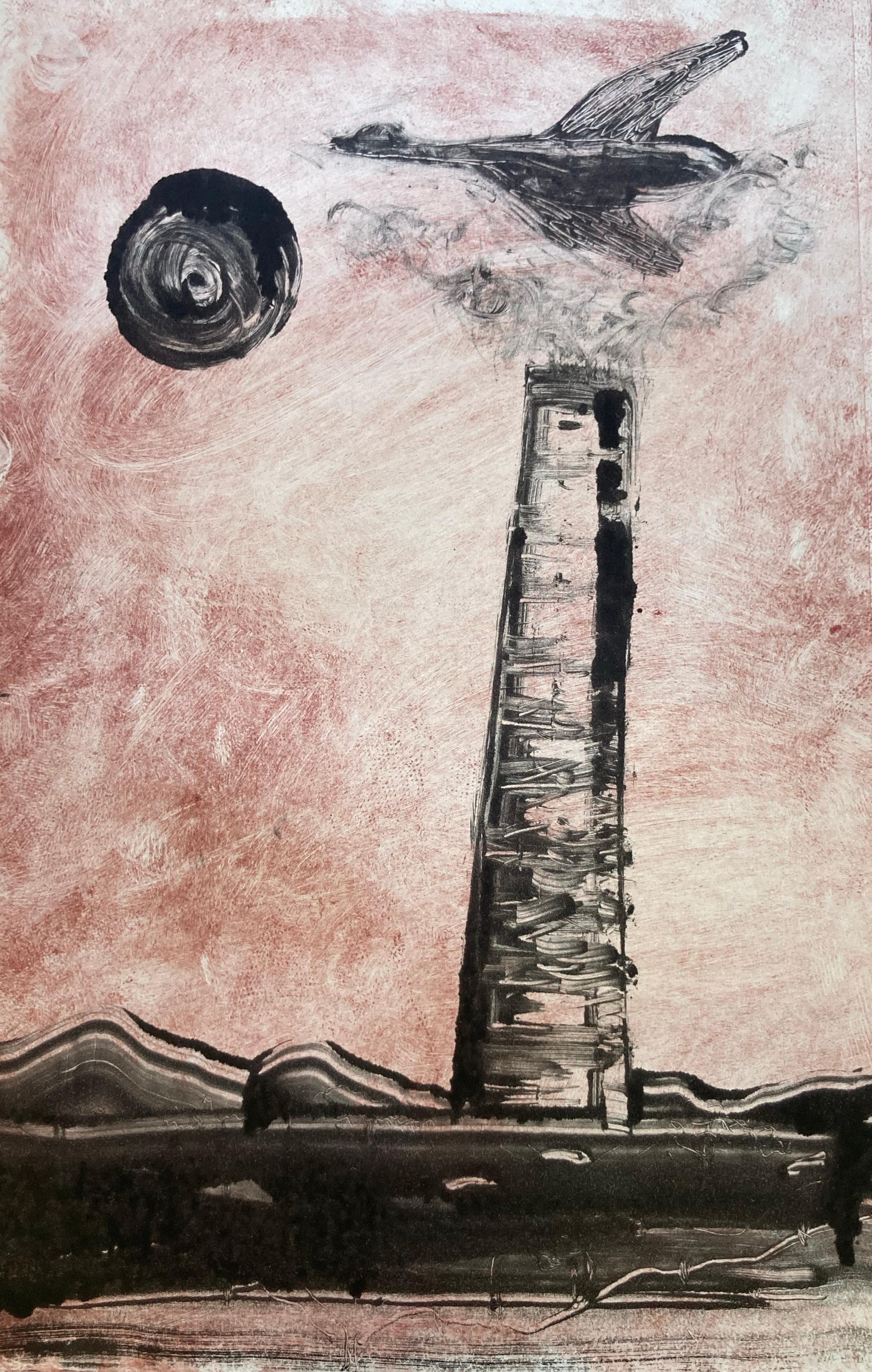
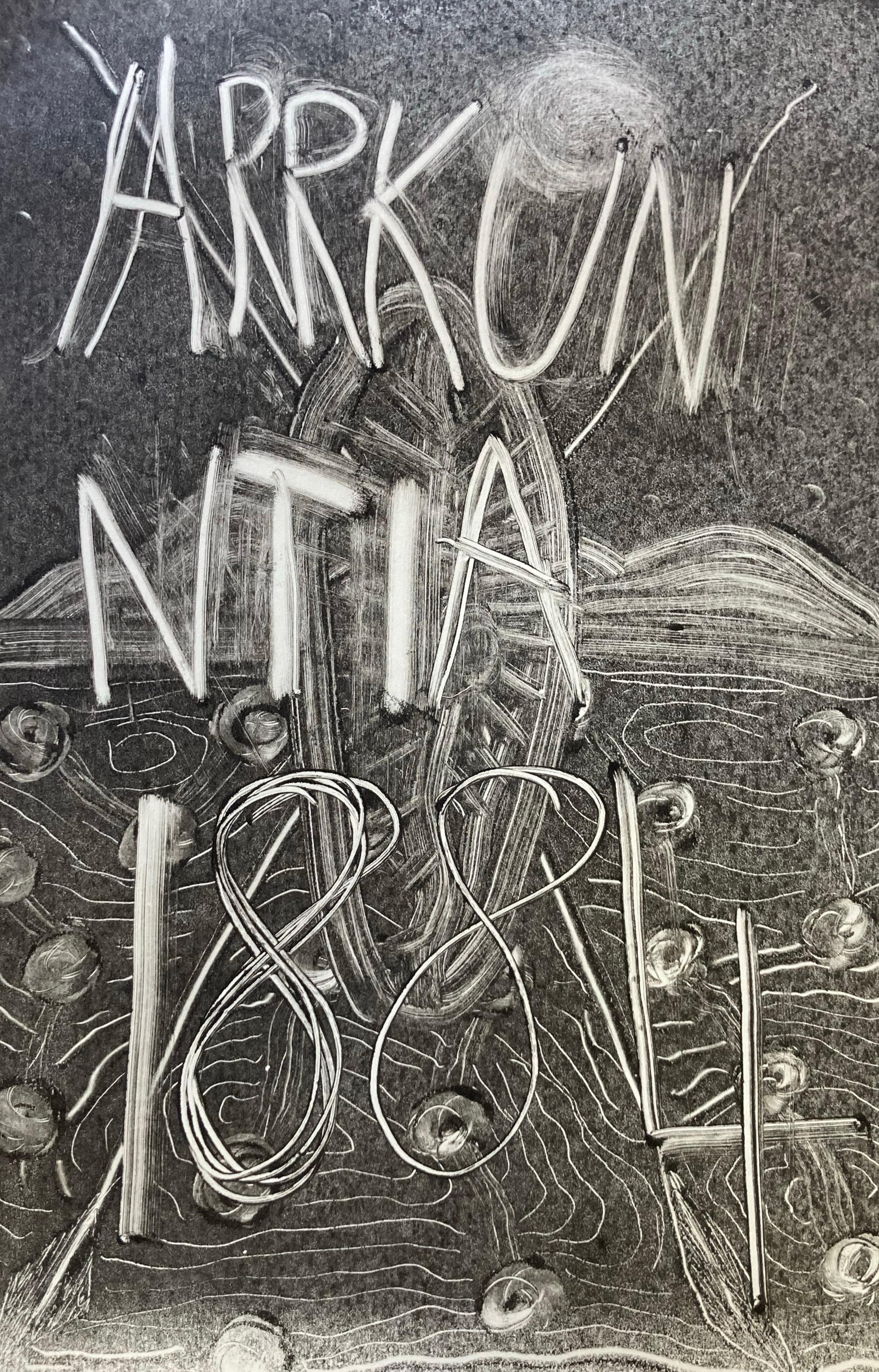
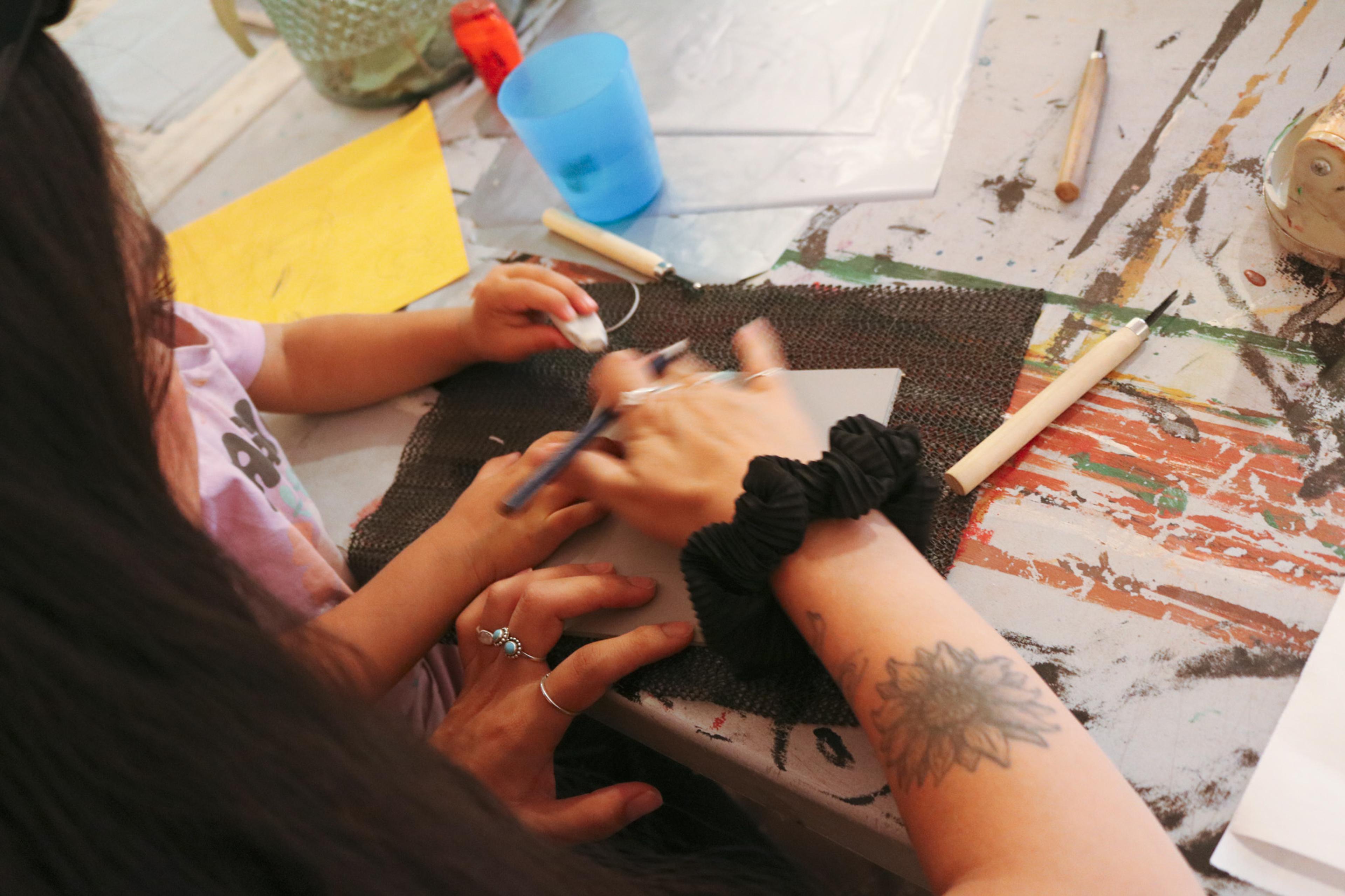
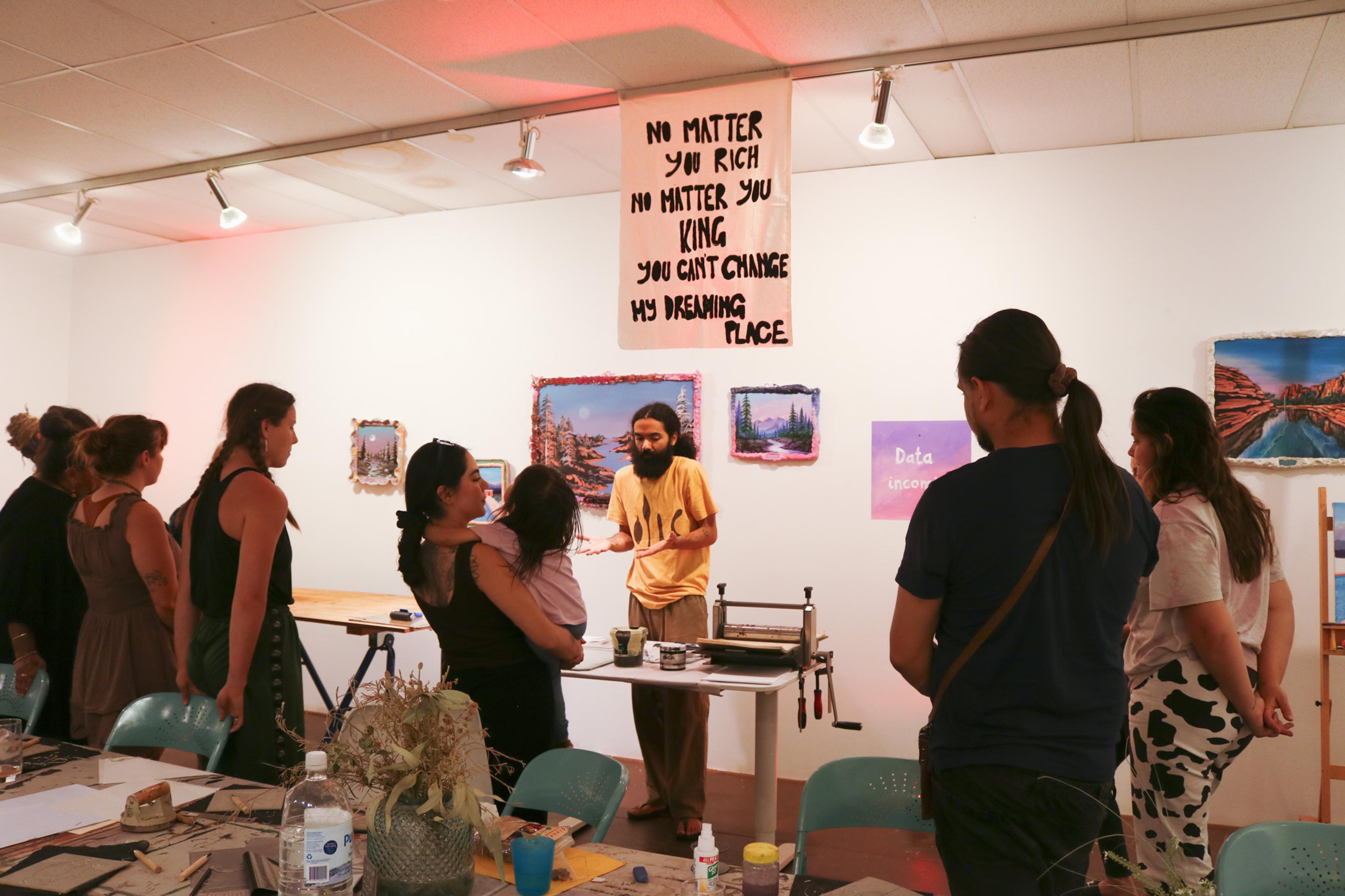
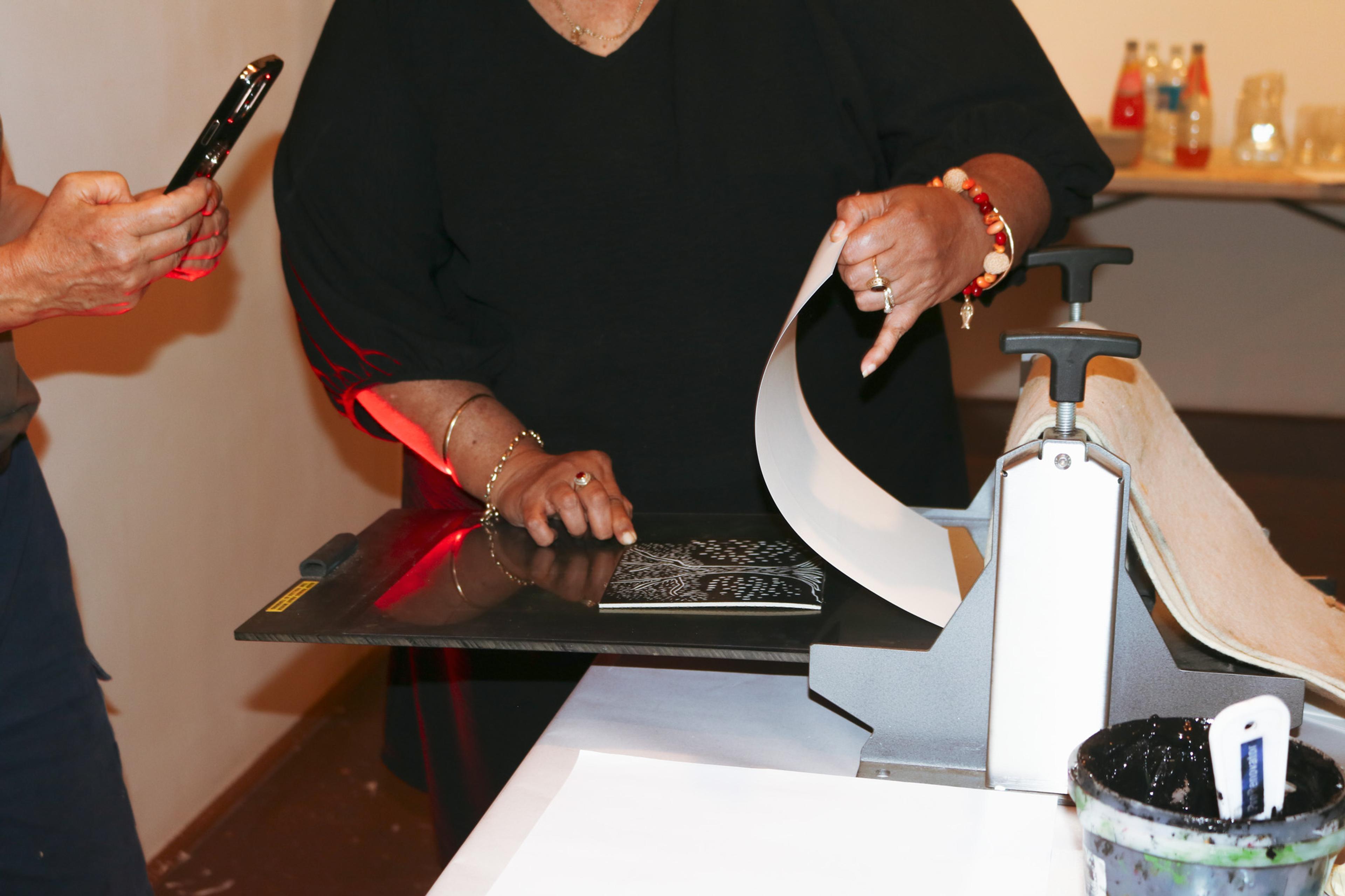
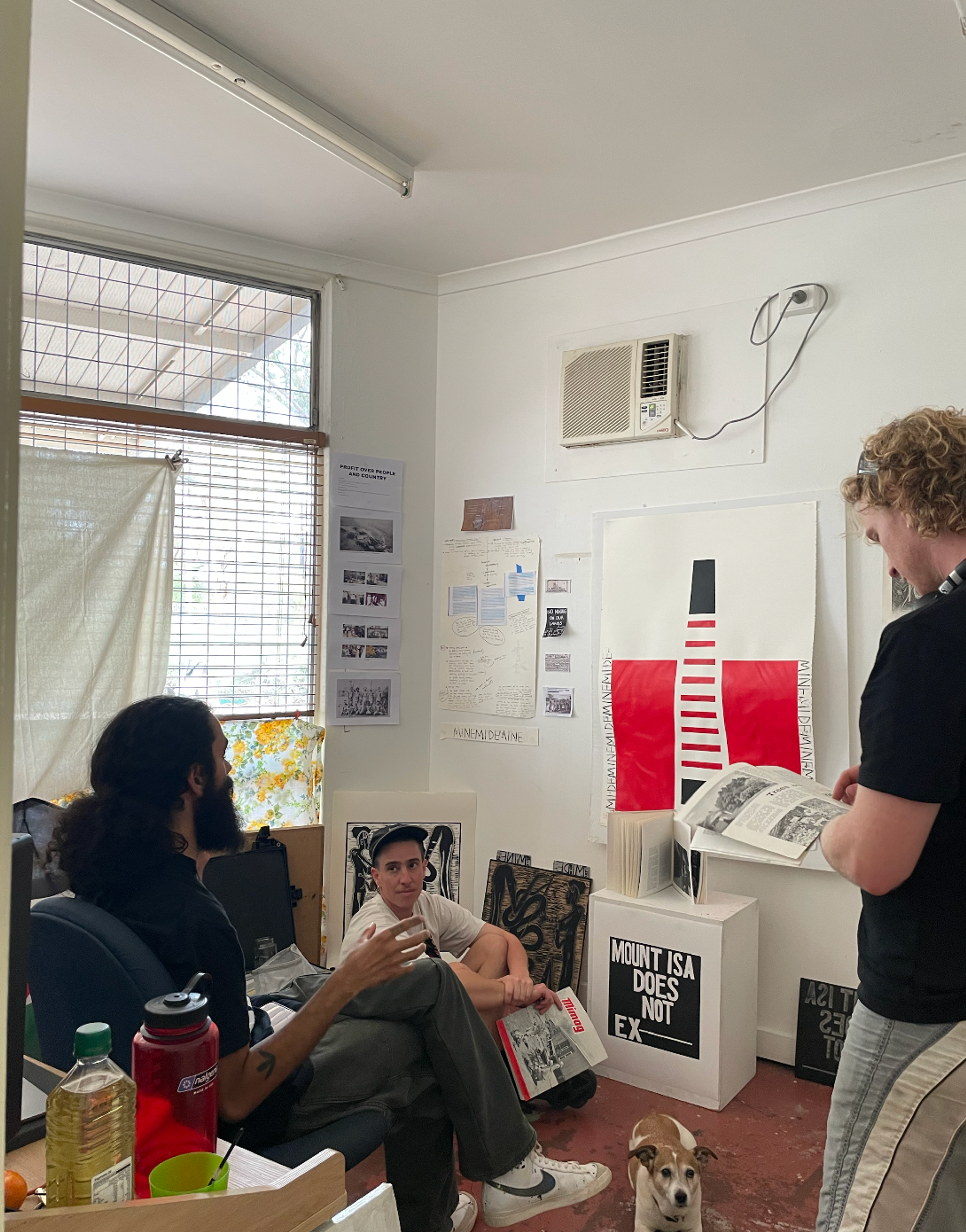
I left Naarm for Mparntwe at the start of spring. I carried memories like old cocoons, things I’d grown through, things that had pushed and shaped me. On the road, I noticed a shift in the land. Plants swelled, then thinned. Animals watched from a distance, measuring my movement. By the time I rolled into Mparntwe, heavy rain fell across my shoulders like someone greeting me, reminding me why I’d come. Throughout the residency, my practice moved gently between mediums. Some days I carved into lino or wood, other days I stained paper with monoprints or pushed ink across tetra pak plates. Each method shifted how I understood form and story. I circled between researching and experimenting, following threads that might one day grow into something much bigger. Sound wove its way in too. I’ve been slowly building an album of songs that sit beside the visual work, sometimes echoing it, sometimes interrupting it. Trying to teach these two languages, image and sound, how to recognise one another, how to share a rhythm. A month in, things began to take shape. I ran a few workshops, inviting community to play with how memory and place can move into carving. Those sessions ended up meaning more to me than I expected. I learnt to sit with silence, to face outcomes that unsettled me, to greet them rather than turn away. I practised slowness, moving at the pace of land, at the pace of listening, at the pace of becoming. When things felt unclear, I went walking. Let the clutter fall away. Listened to the birds’ opinions. Followed the guidance of ants who seemed to know more about direction than I did. These small moments softened my thinking and shifted my ideas in ways I didn’t expect. I listened to elders’ stories about Arrernte history and spent time with community whose generosity has stayed with me in ways I’m still learning to hold. Works took form, and my attention kept drifting back toward Kalkutungu Country, my homelands in the northwest of so-called Queensland, where extraction has carved itself deep into the ground for generations. Earlier this year, I learned that the century-old underground copper mine in so-called Mount Isa had finally shut down. Yet the earth hasn’t gone quiet. Machinery hums louder now than when the mine was running, as if refusing the silence, refusing to accept that the ground has already given far more than it ever should have. Kalkutungu waits for someone to listen. I have come to listen.