Exhibition dates: Saturday 8 August — Saturday 5 September
OPENING
Saturday 8 August
4:00-6:00PM
at WTS
ARTIST TALK
Saturday 29 August
2:00-3:30pm
with special guest Miss Kaninna
in conversation with Yul (WTS Creative Producer)
and Jet (WTS Director)
EXHIBITION CLOSING EVENT
Album preview ~ listening session
Kiangu Ngalhika
Saturday 5 September
6:00-7:00pm
WTS GALLERY HOURS
Wednesday to Friday, 12—5PM
Saturday, 10AM—2PM
8 Gap Road, Mparntwe (Alice Springs) NT 0870
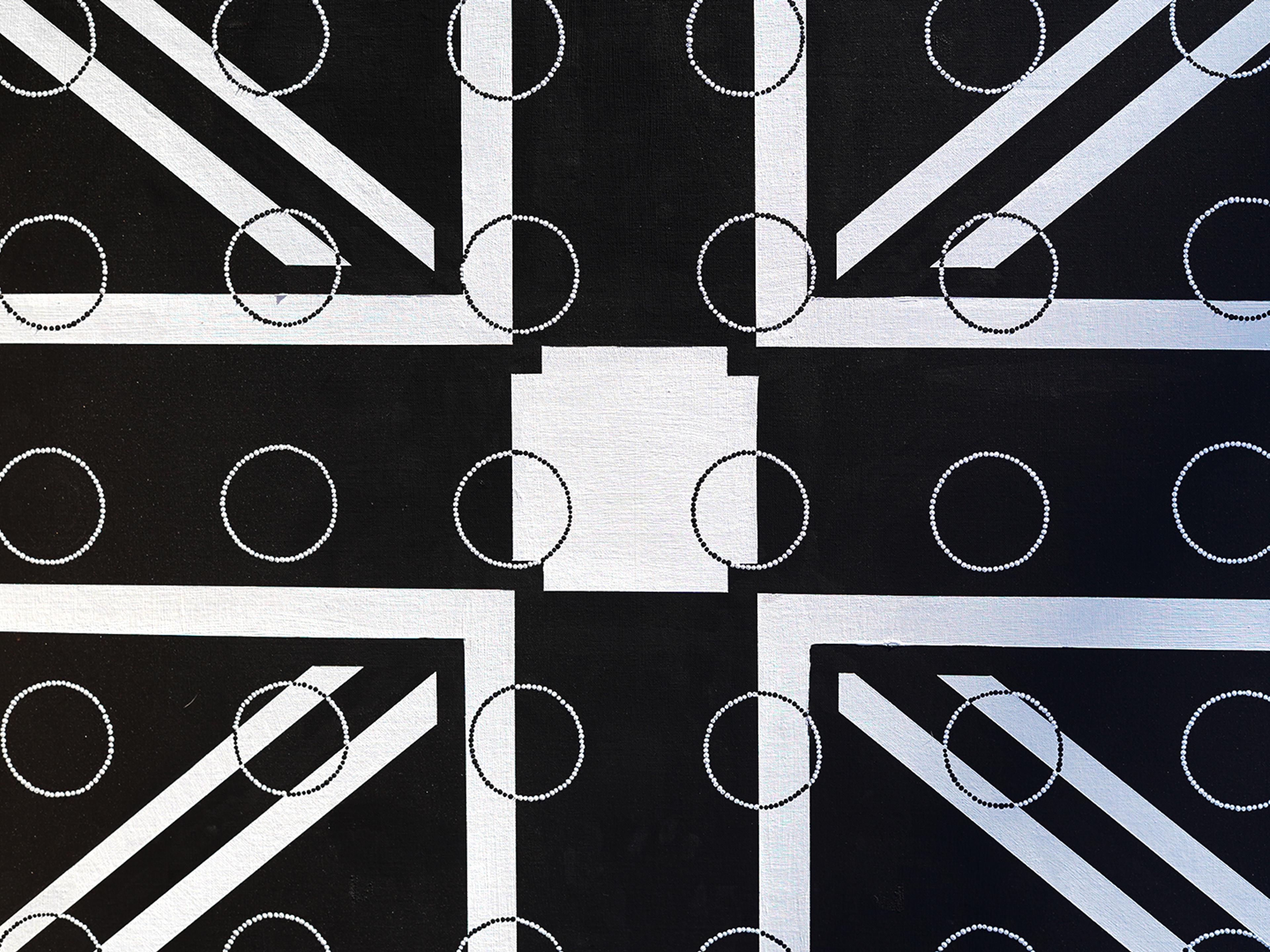
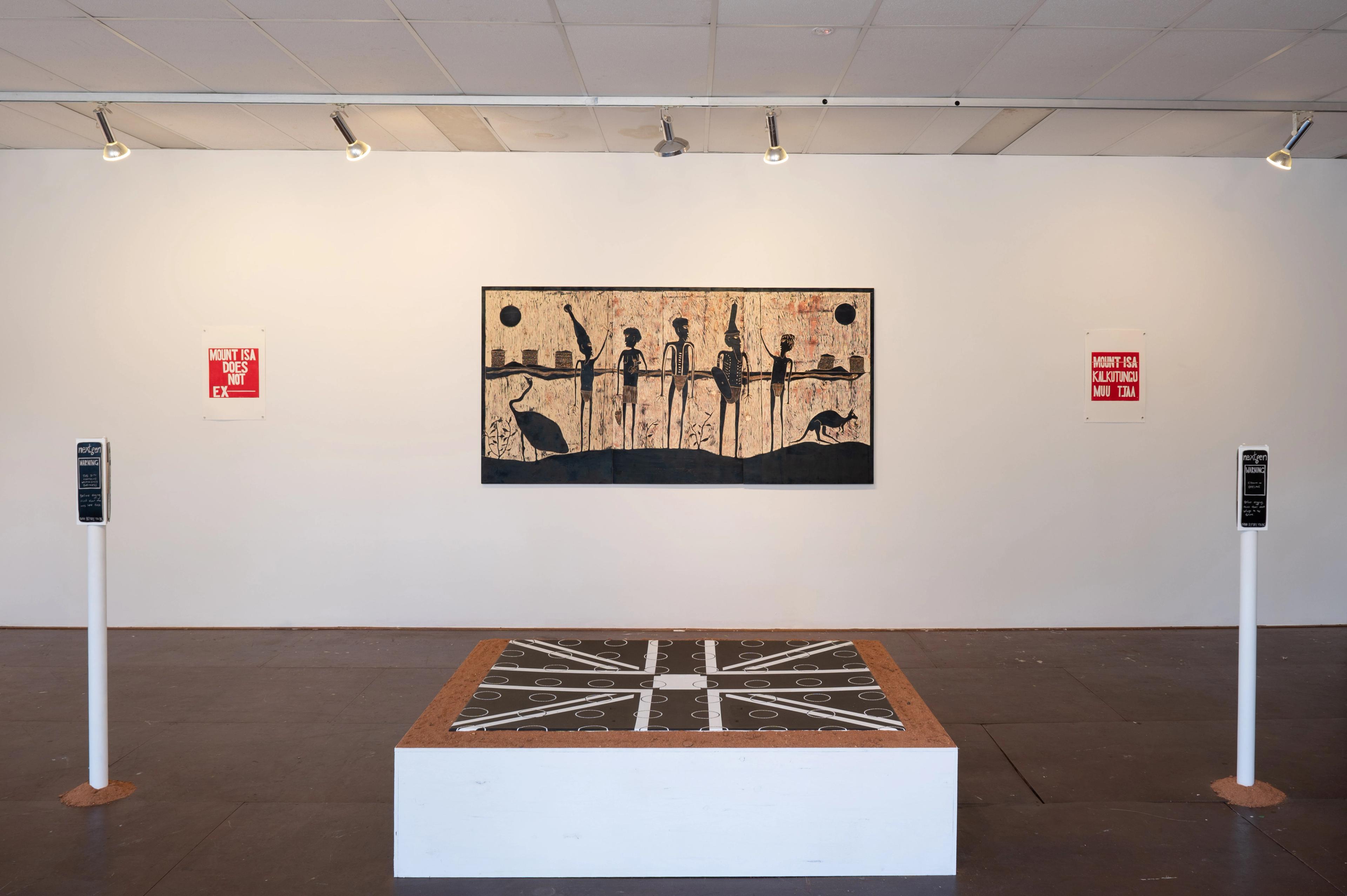
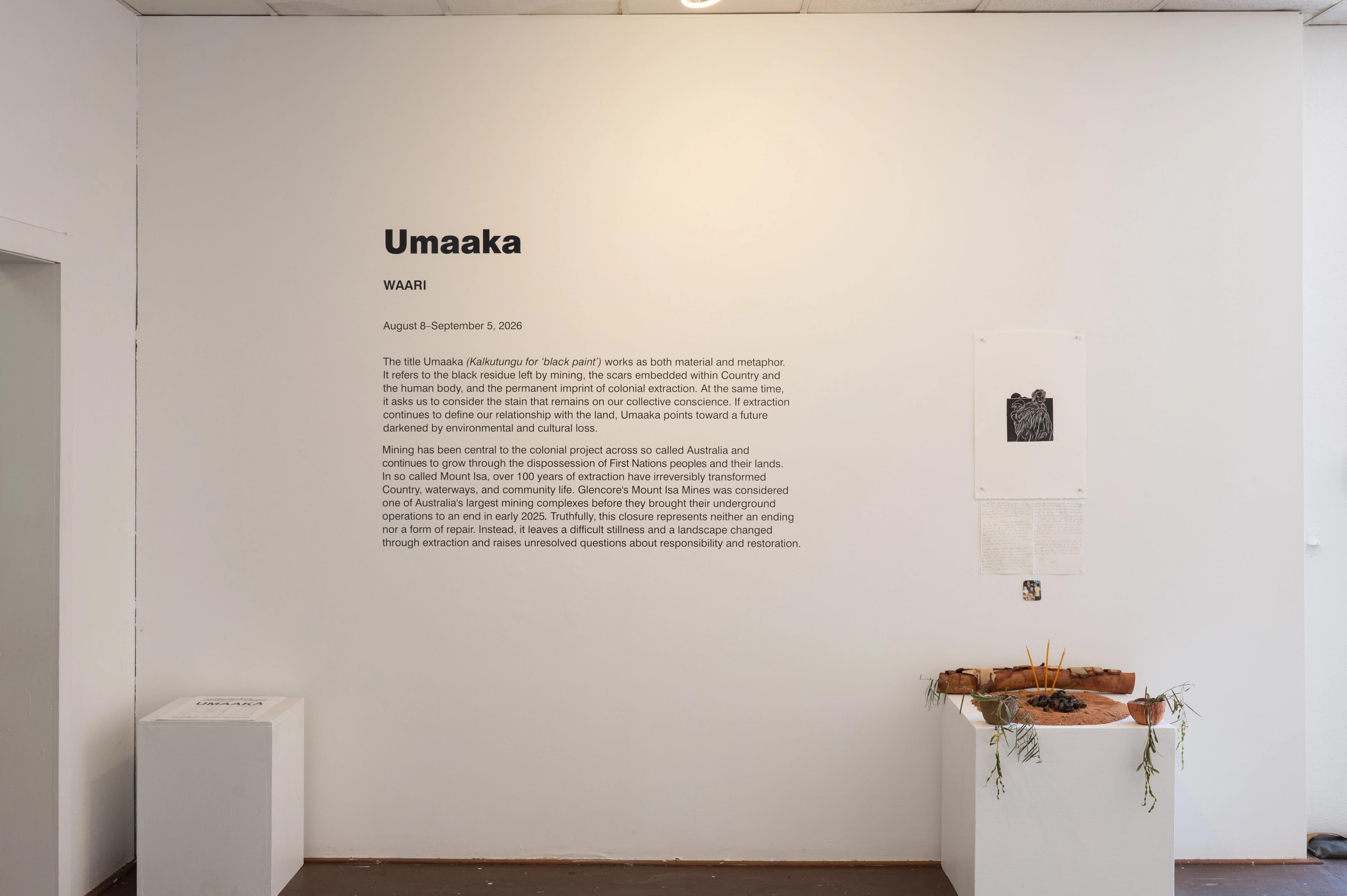
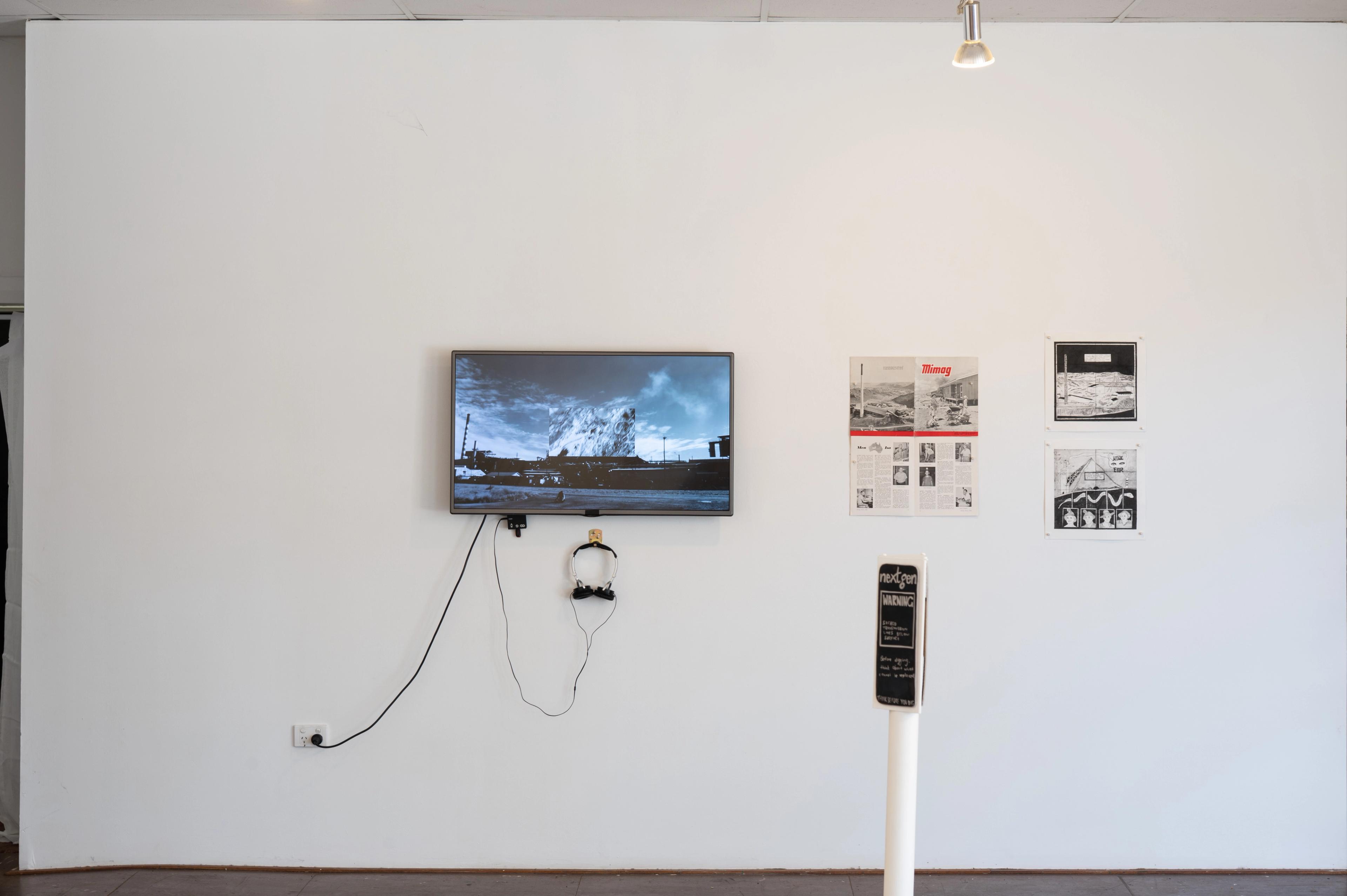
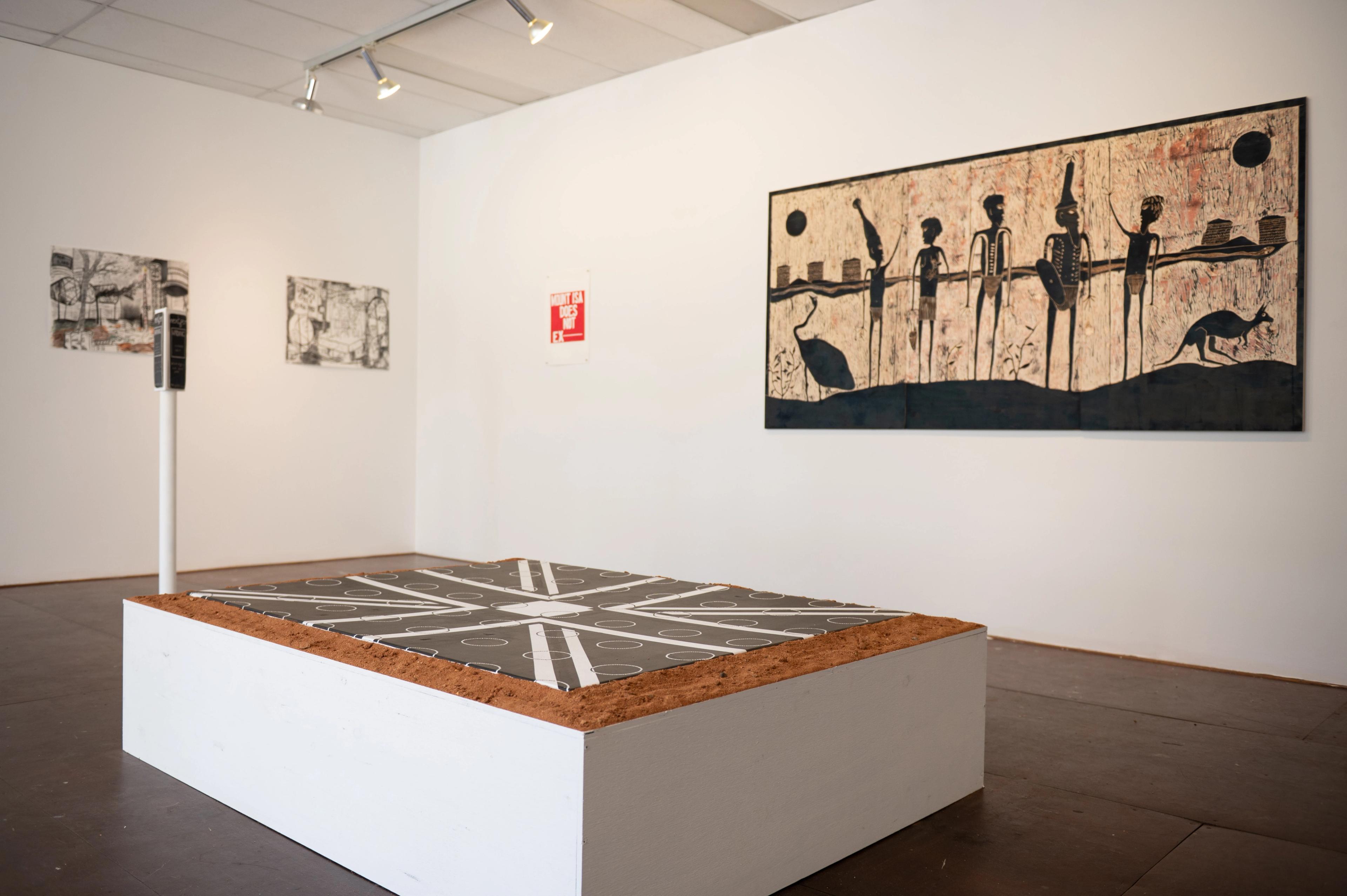
The title Umaaka (Kalkutungu for ‘black paint’) works as both material and metaphor. It refers to the black residue left by mining, the scars embedded within Country and the human body, and the permanent imprint of colonial extraction. At the same time, it asks us to consider the stain that remains on our collective conscience. If extraction continues to define our relationship with the land, Umaaka points toward a future darkened by environmental and cultural loss.
Mining has been central to the colonial project across so-called Australia and continues to grow through the dispossession of First Nations peoples and their lands. In so-called Mount Isa, over 100 years of extraction have irreversibly transformed Country, waterways, and community life. Glencore's Mount Isa Mines was considered one of Australia's largest mining complexes before they brought their underground operations to an end in early 2025. The closure marked the end of a century of extraction after mineral deposits were depleted, and infrastructure became unsafe.
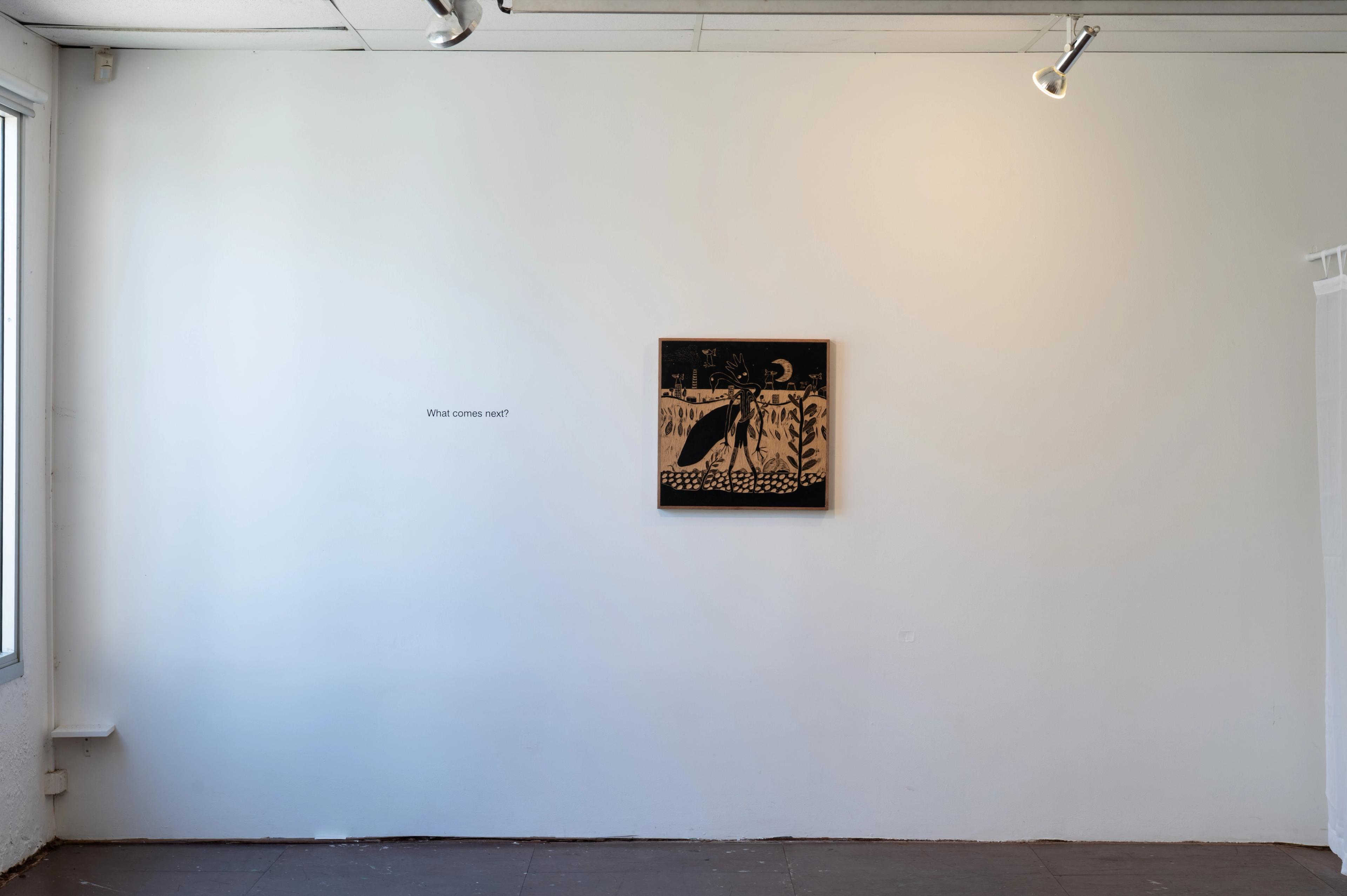
Public attention fixated on job losses and the uncertain future of the regional economy, yet no attention was given to the longer history that made both the mine and the town possible – the dispossession of Kalkutungu people and the ongoing occupation of our Country. Truthfully, this closure represents neither an ending nor a form of repair. Instead, it leaves a difficult stillness and a landscape changed through extraction, and raises unresolved questions about responsibility and restoration. What comes next?
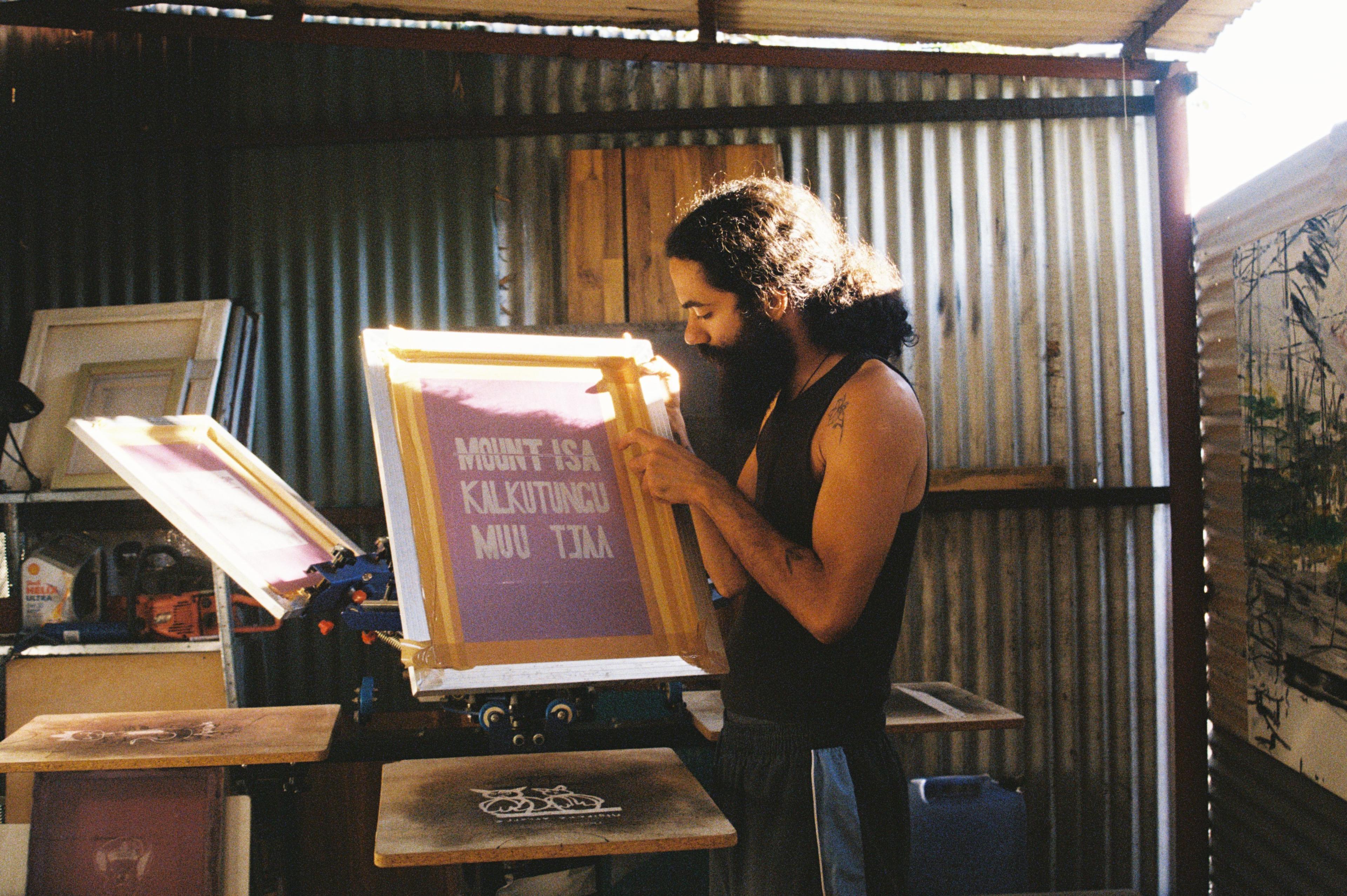
WAARI is a Blak artist and storyteller whose work moves through print and sound as a way of holding memory, carrying Country, and speaking back to the conditions of now. Of Waanyi and Kalkutungu descent from so-called Queensland, Australia, and Ngāti Mutunga, Ngāti Manu, and Te Ātiawa from the north island of Aotearoa, his practice is grounded in lineage, shaped by place, and driven by the urgency of expression.